Powell River Top General Contractor for Residential Construction
Powell River Top General Contractor for Residential Construction
Blog Article
General Contractor: Your First-Choice Expert for Home Improvements
A general contractor assumes a essential role in residential work. They direct various aspects of building, confirming that processes function flawlessly. Their expertise with construction codes and regulations enables them to navigate the intricacies of licensing and inspections. This experienced professional serves as a key connection between clients and subcontractors. Yet, many homeowners remain unsure about the total scope of their services. Understanding these details can have significant bearing on the triumph of any renovation effort.
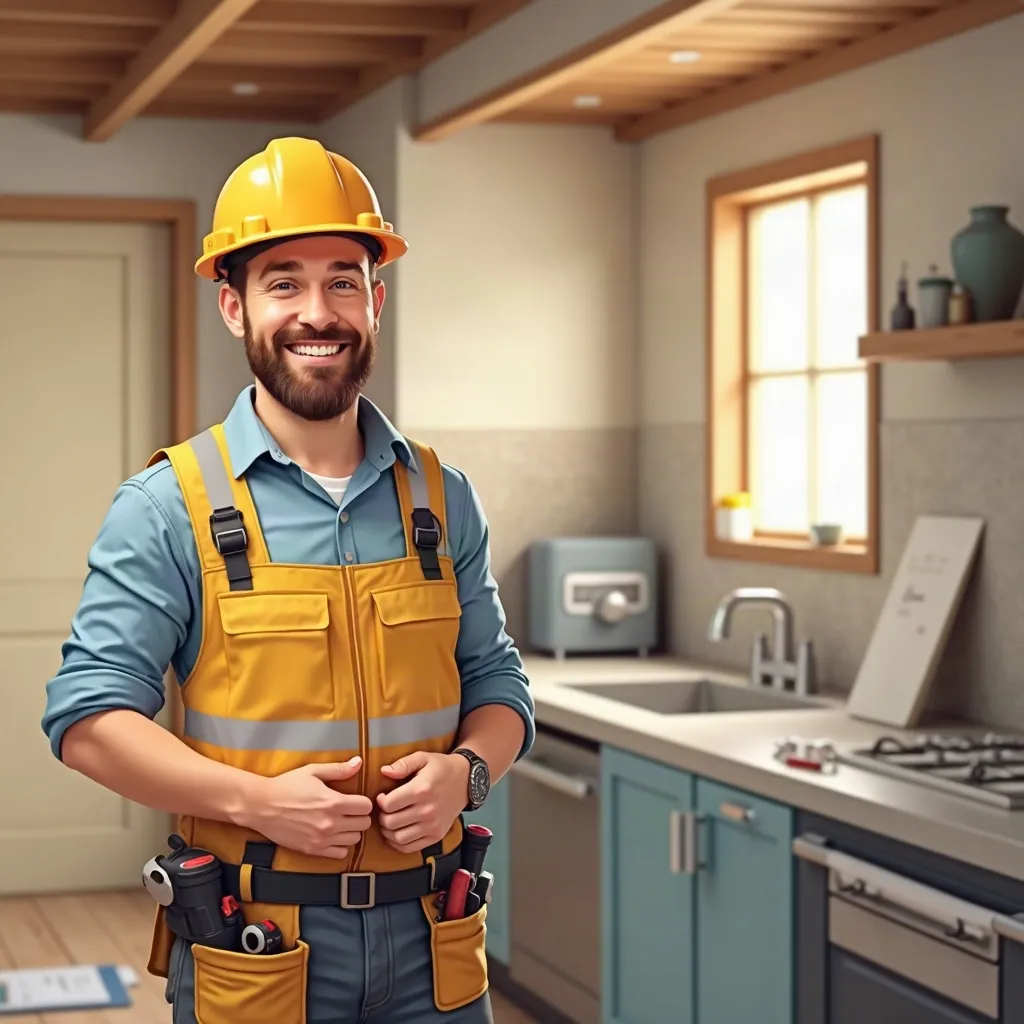
What Does a General Contractor Do?
A general contractor manages the various elements of a building project, making certain that operations proceed without interruption from initiation to completion. They serve as the chief communication hub, managing communication between project owners, trade contractors, and material providers. This role involves planning the work schedule, coordinating crew members, and verifying compliance with area construction rules and standards.
General contractors are responsible for acquiring required licenses and arranging inspections, which are vital for upholding safety and quality benchmarks. They also manage budget planning, material procurement, and overseeing site operations to mitigate any potential delays or issues. In addition, they oversee subcontractors, making sure that each phase of construction conforms to project specifications and timelines. Overall, a general contractor's knowledge and management abilities are crucial for completing a successful construction project, transforming a client's vision into reality while managing multiple duties and obligations.
Contracting a professional builder for home renovations delivers countless advantages that can substantially enhance the quality and efficiency of the project. General contractors bring expertise in project management, making sure that timelines are met and funds are distributed effectively. Their established connections with specialized contractors can generate better rates and excellent craftsmanship, which finally helps property owners regarding both time and money.
Also, general contractors handle the intricate details of authorizations and assessments, curtailing potential legal issues. They also furnish a sole representative, simplifying correspondence and cooperation among various trades. This streamlining mitigates the likelihood of confusion and slowdowns.
Furthermore, their experience allows them to foresee potential challenges, enabling proactive solutions to keep the project on track. By engaging a general contractor, homeowners can focus on their vision while experiencing peace of mind, knowing that a professional is overseeing every aspect of the renovation.
Refuting False Notions About General Contractors
While numerous property owners may believe false notions about contracting experts, understanding the facts can result in more informed decisions. One common myth is that hiring a general contractor is unnecessary for minor projects; nevertheless, their know-how can facilitate even minor renovations, guaranteeing compliance with local codes. Another widespread belief is that general contractors are merely middlemen, but they frequently have in-depth knowledge in several disciplines, enabling them to coordinate projects efficiently. Additionally, some homeowners believe that working with a contractor will notably increase costs. In fact, a qualified general contractor can often negotiate better costs for materials and labor due to solid relationships with vendors and subcontractors. Lastly, many consider that general contractors are inflexible, but dependable contractors value client communication and collaborate closely to address unique needs. Dispelled myths can empower clients to capitalize on the genuine value of general contractors in achieving successful home projects.
Finding the Perfect General Contractor?
How can homeowners guarantee they select the right general contractor for their jobs? The process starts with thorough research. Property owners should seek suggestions from friends, family, and online reviews to find potential candidates. Once a compilation is compiled, confirming qualifications, such as licensing, bonding, and insurance, is crucial to verify credibility.
Next, property owners should ask for and examine portfolios of previous work, concentrating on projects similar in scope. Setting up interviews allows homeowners to assess fit, discussing schedules, costs, and requirements. It's also advisable to get several estimates for comparison, providing a better grasp of expenses.
Examining references offers understanding of a contractor's competence and integrity. Ultimately, trusting one's instincts is crucial; an initial meeting can reveal much about a contractor's communication style and approach. By implementing these procedures, homeowners can substantially improve their likelihood of picking a general contractor who suits their objectives and goals.
Powerful Messaging Tactics To Use With Your General Contractor
What strategies can homeowners employ to ensure strong dialogue with their general contractor? Creating direct communication from the outset is necessary. Homeowners should distinctly express their goals, project objectives, and budget constraints during opening conversations. Consistent information can be supported through scheduled meetings, ensuring that both parties remain coordinated throughout the project.
Using documented records, such as emails or project logs, helps strengthen spoken commitments and minimizes misunderstandings. Homeowners should also encourage transparent communication by inviting input and inquiries from the contractor, fostering a collaborative environment.
In addition, harnessing technology, such as project management apps, can refine exchange of information by supplying a centralized interface for sharing updates, timelines, and changes. Finally, being respectful and approachable can elevate camaraderie, enabling it less difficult for the contractor to voice challenges or suggestions in an effective manner. By applying these solutions, homeowners can build up a rewarding and forthright bond with their general contractor.
What You Should Know When Your Project Commences?
When the initiative commences, homeowners should anticipate a surge of activity on-site. The general contractor will oversee groups of qualified craftspeople, including electricians, plumbers, and carpenters, who will commence their work in accordance with the agreed-upon schedule. Homeowners may observe large equipment and supplies being delivered, producing a bustling environment.
Communication stays vital during this stage. The contractor will provide updates article on advancement and handle any issues that occur. Homeowners should get ready for possible disruptions, such as noise and limited access to specific areas of the home.
Safety measures will be in place to protect both workers and residents, guaranteeing a secure environment. Additionally, homeowners may be prompted to maintain flexibility, as unforeseen issues can arise, requiring adjustments to the original plan. Overall, this initial phase lays the groundwork for the successful completion of the project, and active participation is essential.
Important Queries for Your Main Contractor Deal?
Selecting the proper questions to ask when concluding a general contractor agreement is vital for ensuring a successful project. Homeowners should ask about the contractor's license and protection to confirm their background and protection against claims. Understanding the project timeline and stages is essential; therefore, asking about estimated completion dates helps maintain expectations.
It is also essential to outline payment terms, comprising deposit amounts and payment schedules, to avert miscommunications. Residents should seek a detailed breakdown of costs, encompassing materials and services, to guarantee openness. Moreover, talking through the method for dealing with changes or unforeseen issues can thwart disagreements afterwards.
Lastly, property owners must seek information about the qualifications of subcontractors, as well as the contractor's communication strategy throughout the project. By tackling these inquiries, homeowners can establish a strong working relationship with their primary contractor, ultimately leading to a successful home project.
Frequently Asked Questions
How Do General Contractors Determine Their Fees for Services?
Contractors generally collect fees via flat fees, hourly pricing, or a percentage of the total project cost. Their rates may additionally encompass materials, labor, and overhead, relative to the project's complexity and scope.
Can a General Contractor Assist With Documentation and Inspections?
Yes, a general contractor can help with securing permits and managing inspections. They typically handle local regulations and ensure compliance, simplifying the workflow for homeowners while enabling necessary approvals throughout the construction project.
What Experience Should I Identify in a General Contractor?
When designating a general contractor, one should analyze professional attributes such as licensing, suitable insurance, history with related undertakings, strong references, and proficient communication practices, ensuring they retain the necessary expertise to manage the project successfully.
What Duration Should You Expect for a Typical Home Remodeling Venture?
A routine home renovation work can go anywhere from a few weeks to several months, influenced by the scope, difficulty, and size of the project, as well as the stock of materials and labor.
What Occurs if My Assignment Surpasses Budget?
Should a project exceed the budget, the contractor typically discusses the reasons and options with the property owner. Modifications may include scaling back, pursuing more funds, or revising the project scope to align with financial limits.
Report this page